
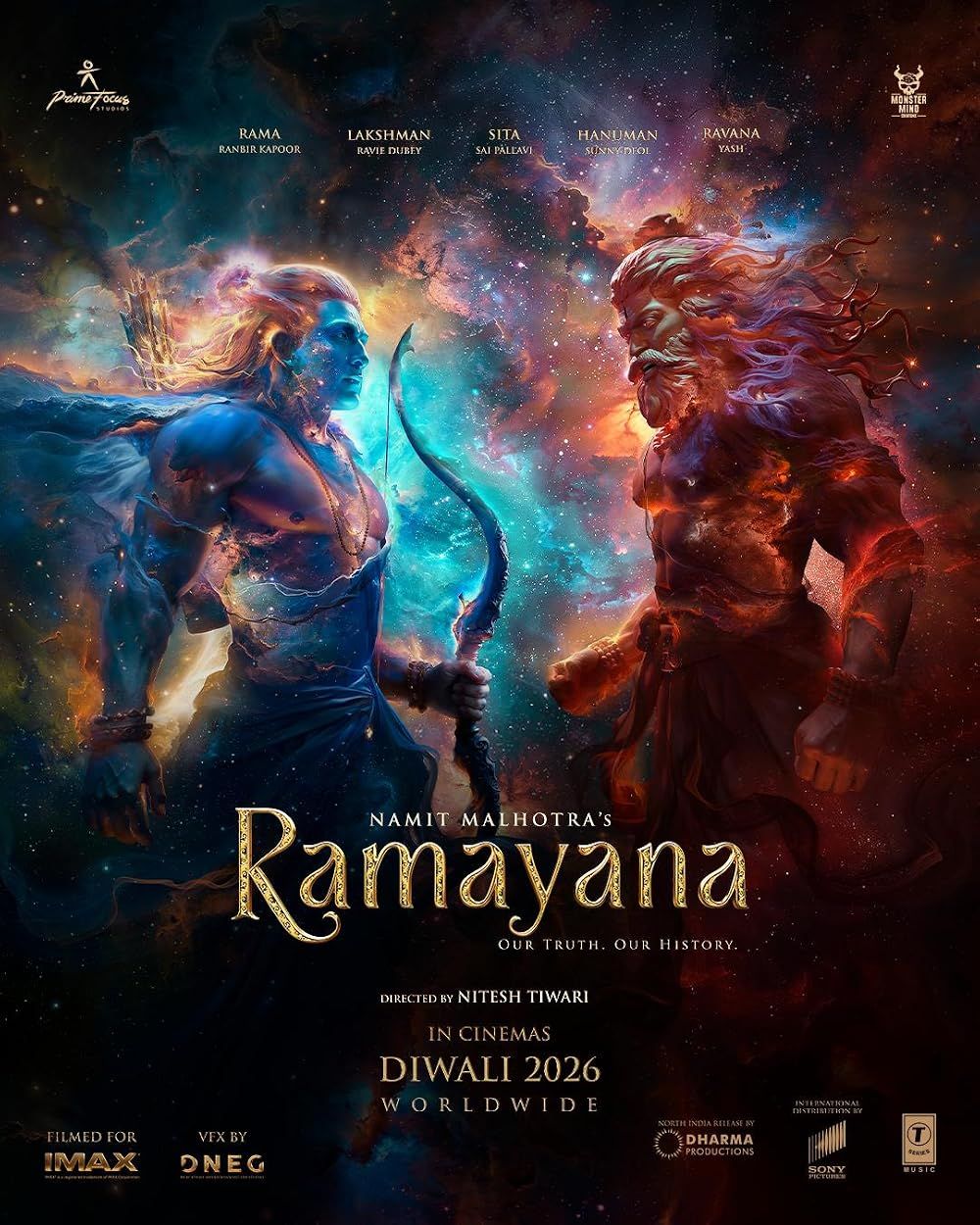
Director: Nitesh Tiwari
Cast: Ranbir Kapoor, Yash, Sai Pallavi, Sunny Deol, Ravi Dubey
Screenplay: Shridhar Raghavan, Nitesh Tiwari
195 mins. Rated PG-13 for sequences of strong violence and action, and some bloody images.
It’s becoming more common to see an Indian film gaining traction in American cinemas, and seeming the BIGGEST movies end up with the most notoriety with Western audiences. Sony is aiming for Ramayana: Rise of a Legend to be the next possible hit. It’s big, vibrant, ambitious, and visually dazzling, though I’d argue that the movie buckles under its own scale and suffers from a weak back half.
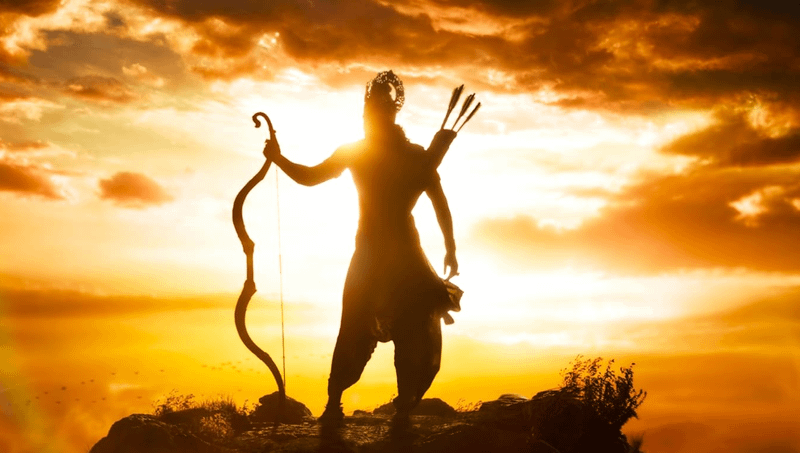
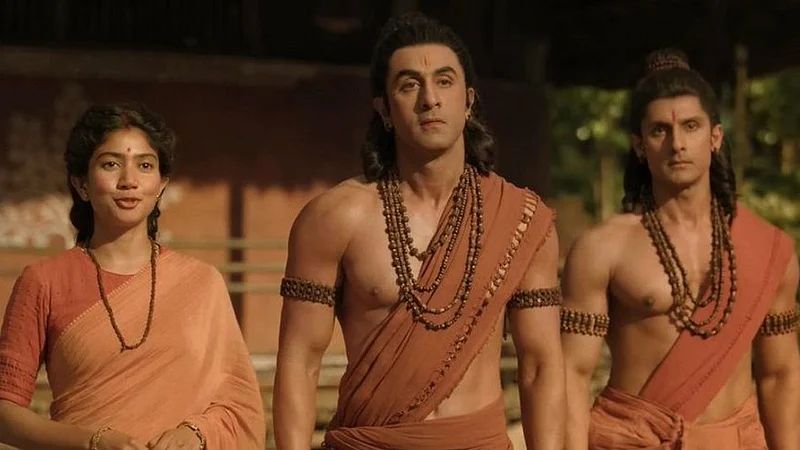
Presented as the first half of a two-film saga, Ramayana is the story of the life of Prince Rama (Ranbir Kapoor, PK), the heir to the kingdom of Ayodha and avatar of Hindu god Vishnu, as well as the villain Ravana (Yash, K.G.F. Chapter 2), the leader of Lanka, who gained strength of near-immortality from any non-human threats. These two figures are destined to meet and do battle, but not before Rama is repeatedly tested, such as earning the hand of the beautiful Sita (Sai Pallavi, Premam) and being sent into a 14-year exile from his people. Along his path, Rama has Sita by his side as well as doting brother Lakshman (Ravi Dubey, Matsya Kaand).
I can’t speak to the accuracy of director Nitesh Tiwari’s film, but accuracy in just about any film is not necessary to the quality of that film (with rare exceptions, of course). While I have little to no knowledge outside of this film, I can say that what is here is so heavily ambitious that it’s hard to fault some of its structural issues, but that ambition can only get you so far. Opening with an epic battle-laden prologue, the first half of this first film is spectacular, giving us a villain backstory that is understandable and makes Ravana a compelling and devious antagonist for Rama. Rama’s story is exciting, filled with intrigue and fascinating characters, and even with a less-than-stellar final hour, I’m interested in where the story will go, tempted to look up the rest of the story, but maybe I’ll try to wait for the concluding film.
With all that excitement early on in the film, the pacing really slows to a crawl once the exile portion of Rama’s story begins, and much of this could have been trimmed or perhaps even excised entirely to make a more compelling story for the visual medium. It ends in a pretty shocking cliffhanger, but the last hour struggles to get back on the frenetic momentum of the first two.
Sai Pallavi and Yash are standouts in the film as Sita and Ravana, the former offering up an intense innocence and gentility, full of grace, while the latter is everything a villain should be, minus mustache-twirling (there’s also a sequence where different versions of Ravana are all trying to decide his next step, and it’s incredibly compelling). I also quite enjoyed relative newcomer Ravi Dubey as Lakshman, loyalty personified in a character without every seeming disingenuous. Kapoor is fine as Rama, intensely stoic but almost missing any subtlety or nuance, creating a less complex character for it.
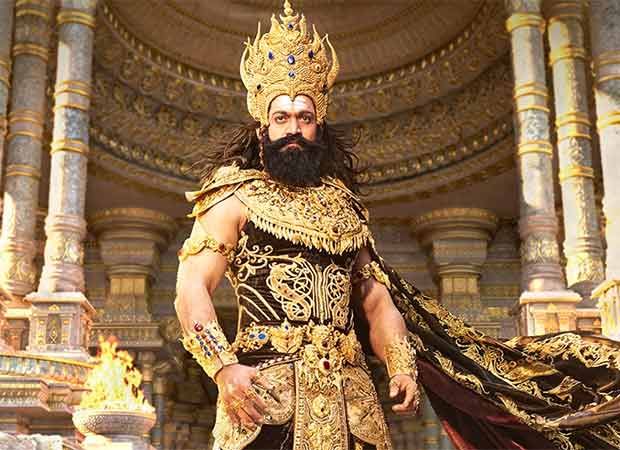
I’ve heard a few mention the special effects as a disappointment, but personally, they look better than the average Hollywood picture in recent years as studios turn to cheap and fast over quality effects work and push effects houses the brink. The effects in Ramayana look quite excellent more often than not, and I never found them to be immersion-breaking. In fact, with the sheer amount of them on display, it’s surprising how much of it works and feels authentic to the world-building as opposed to cartoonish.
Hans Zimmer worked alongside A.R. Rahman, which, at first, takes a moment to fully register, but the score works pretty well here and seems to match the style of Tiwari’s film. I had figured that Zimmer’s work on the score might almost stand out and be entirely distractingly out of place, but that doesn’t happen. I love that Zimmer plays with genres and styles outside of his zone, and having his name attached might bring more curious minds to at least see this rock star Hollywood composer at work in an Indian production.
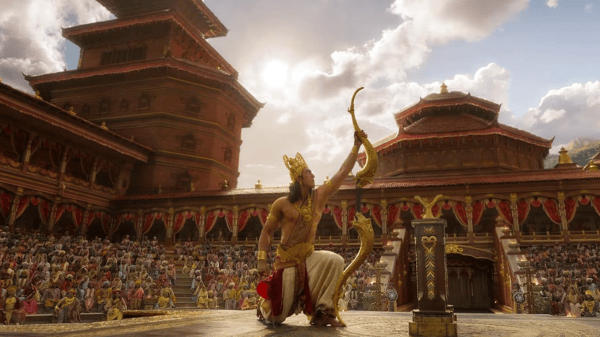
Now, I should mention, I saw the Hindi-language version of the film as opposed to the chopped up Sony version with English vocal work and, apparently, AI to make the mouths sync up to the language. For me, this Hindi-language version of the film is the one that was intended, and it has strengths and weaknesses all its own, but for sheer scale, there are elements in Ramayana that I’ve never quite seen before. It’s a grand production, ambitious in its storytelling, but all that movie is buckling, and I’m left wondering if, like so many other multi-part stories, if this required two films to convey. The jury’s out until the sequel arrives, but is an experience where all the strengths outweighed its problems.
3/5
-Kyle A. Goethe


Leave a Reply