
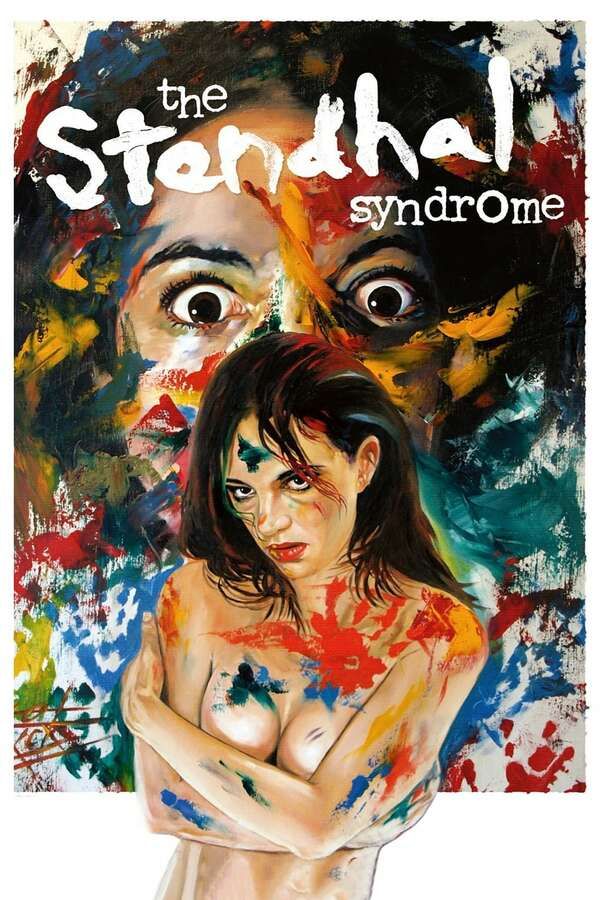
Director: Dario Argento
Cast: Asia Argento, Thomas Kretschmann, Marco Leonardi, Luigi Diberti, Julien Lambroschini, John Quentin, Paolo Bonacelli
Screenplay: Dario Argento
120 mins. Not Rated.
I think it goes without saying that Dario Argento (Suspiria) is a legend of horror and, in the 1970s and 1980s, he had an unprecedented run of giallo slashers and fantasy horror masterpieces. Sometime after that, the work began to struggle. Perhaps it was when he stopped working with Daria Nicolodi who frequently aided in some of his most iconic work; she was another legend, though one who is discussed too little. In the 90s, Italian horror struggled immensely with the fanbase not showing up as much and the work suffered, with many claiming Michele Soavi’s Cemetery Man to be the final Italian horror masterpiece. While it’s hard to really pinpoint the moment that Argento’s work lost some touch, we can be certain that it at least occurred around the time or earlier than his release of The Stendhal Syndrome, an ideas-heavy giallo-esque film with a grimy style and some jarring choices made behind the camera.
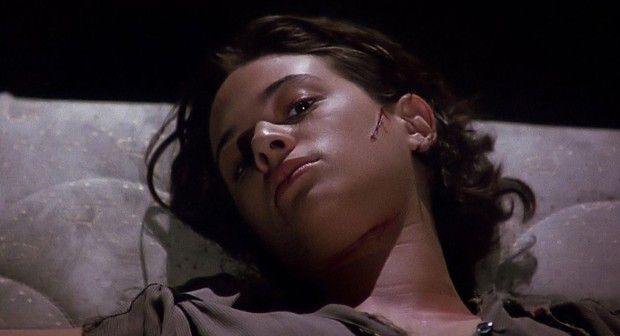
Young and inexperienced Detective Anna Manni (Asia Argento, xXx) is tracking rapist and serial killer through Florence. Upon suffering the Stendhal Syndrome, in which a person becomes overwhelmed and faint in the presence of art, she is captured, assaulted, brutalized, and nearly killed by her suspect. Thus begins a cat and mouse game between Anna and the killer but even when Anna believes she has removed the danger, she is plagued by phone calls and cannot know for certain what is real.
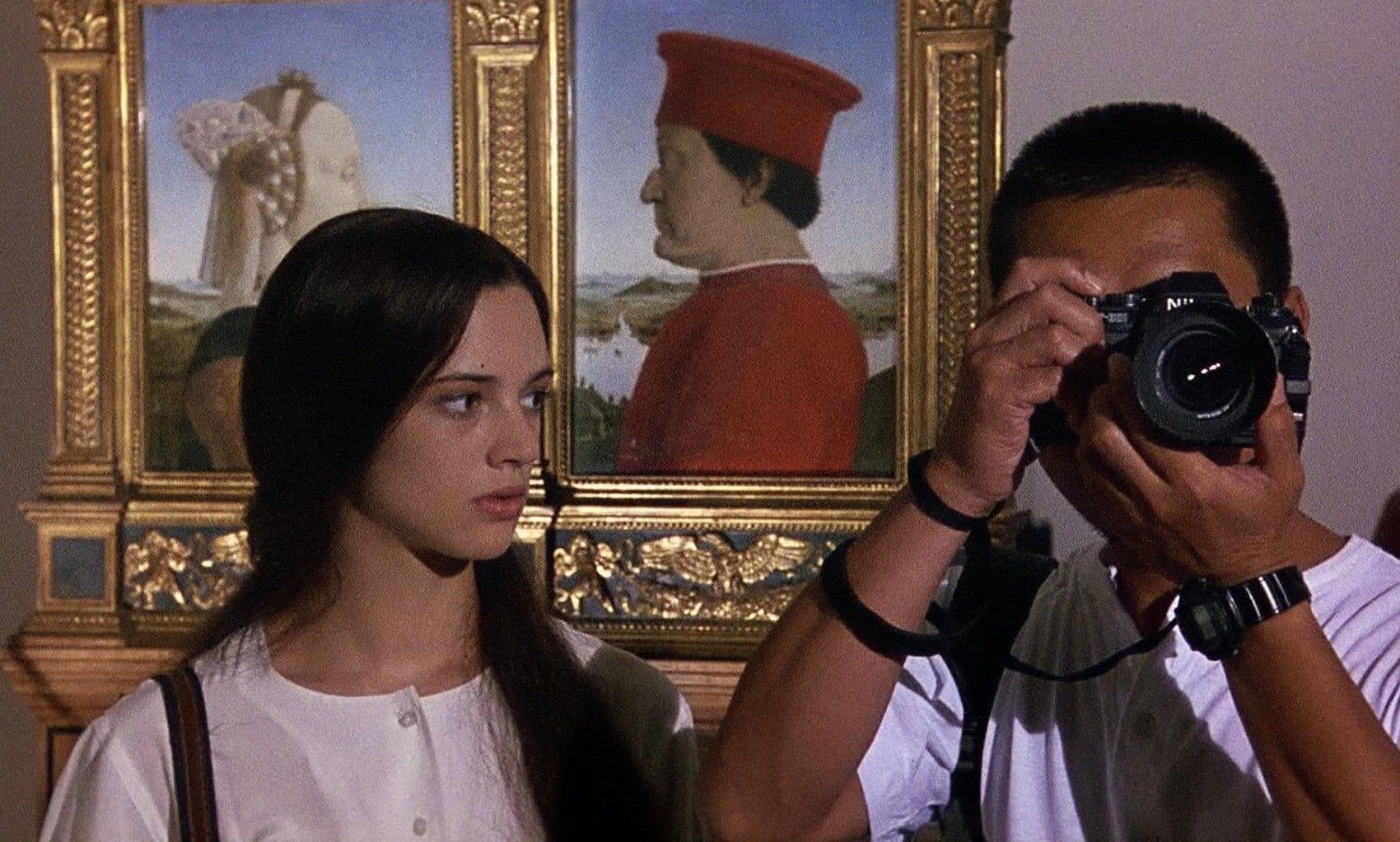
So yeah, this is the one where Argento cast his own daughter in the lead role as a character who is raped multiple times on screen. It’s not overly visual in these moments, but I probably would’ve avoided this film if my own father was directing. Asia is capable, but here she’s just so quiet and mousey and doesn’t have much screen presence, and when the back half of the film relies so heavily on her singular performance, this is missing all the intensity of the first half and the narrative loses steam quickly.
Thomas Kretschmann (Captain America: Winter Soldier) is thankfully quite enigmatic and when he gets to really embrace the material, he’s quite sinister and disgusting, but I also buy into his sicko performance more than anyone else’s in the film. He is by no means enjoyable to watch in the movie, but he’s really playing to the back seats of the cinema here and making the most of his screen time.
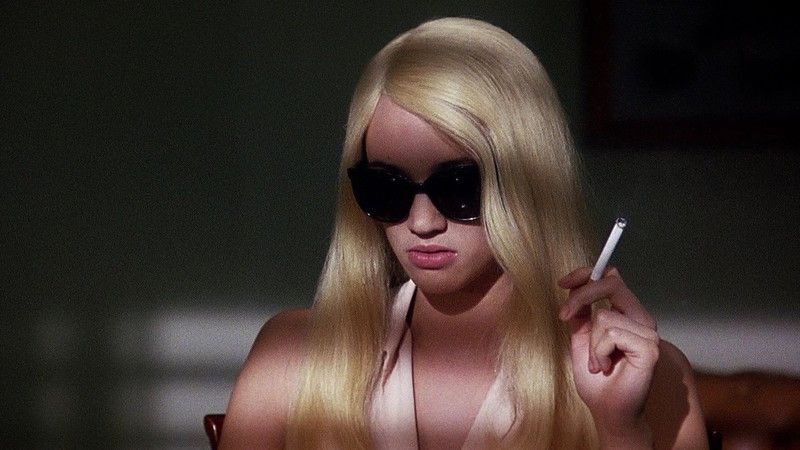
The actual Stendhal syndrome, also called Florence syndrome, is a pretty interesting motif to return to over the course of the film. I think if Argento’s film had gone back to this well more than the sexual transgressions of its killer, the movie would be able to play with form in a way more akin to Suspiria and Inferno, melding the imagery into his Giallo film in a way he often did not. When it does become pertinent to the plot, we get a few really interesting sequences in which Anna interacts with the paintings and art pieces around her. I loved these moments, terrible 90s CG and all, but they too become more absent in the back half of the narrative, and they often don’t have much bearing on the plot at all.
There’s some nice set design to the film, including an opening sequence at the Uffizi Gallery in Florence (which Argento is the only director to have actually filmed in), and the cinematography from Guiseppe Rotunno (his final fiction narrative as a Director of Photography) as well as Ennio Morricone’s score are both wonderful. This is also supposedly the first Italian film to ever incorporate CGI, which is noticeable throughout because of its poor quality. Several uses are completely unnecessary, but the few times they work to bring out the Stendhal syndrome work despite it.
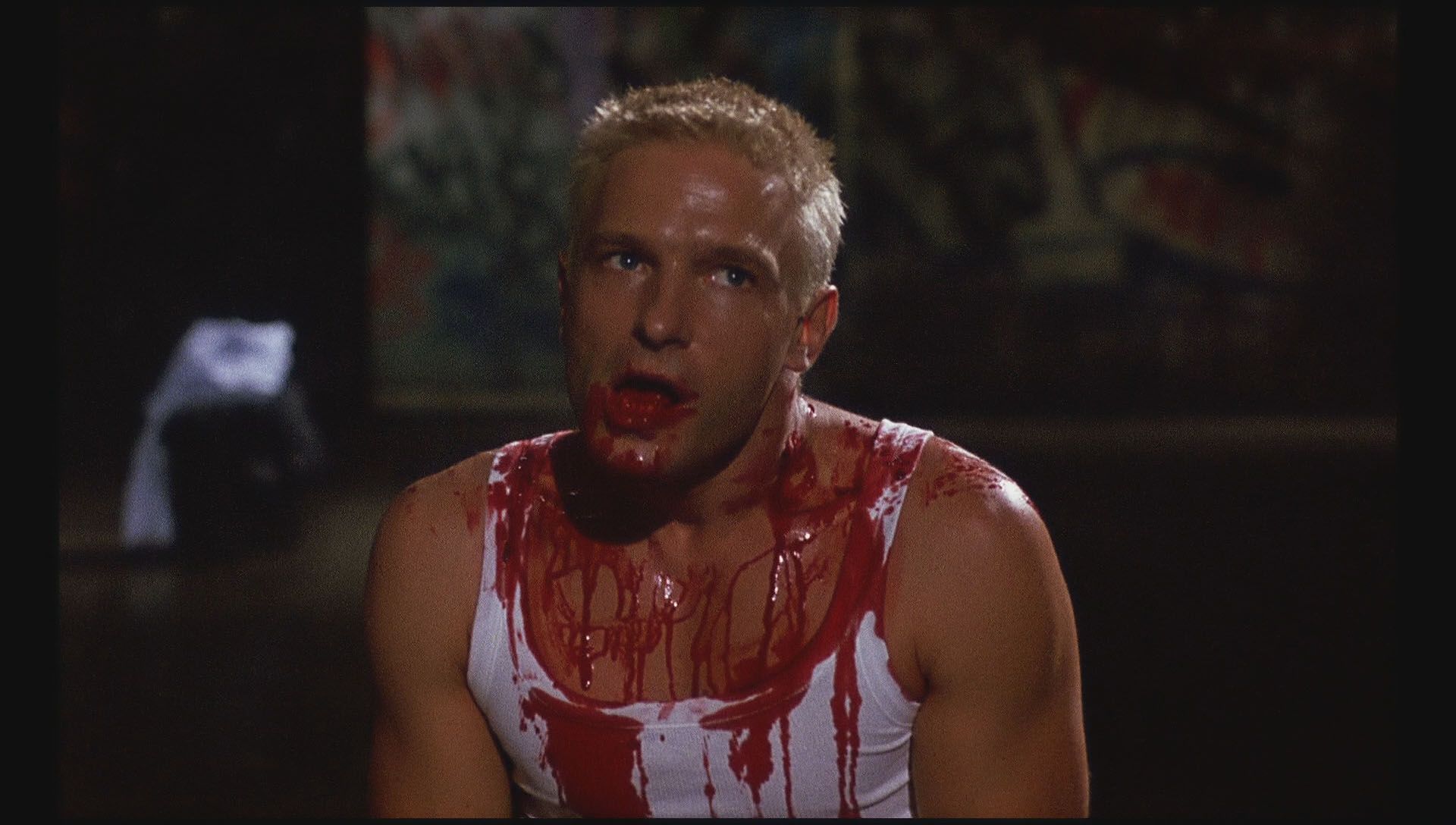
The Stendhal Syndrome was, at one point, planned for an American shoot, and maybe the shift to Italy caused some of the issues, but this is a Giallo film with a lot of bite that unfortunately can’t keep up the momentum for the two hour run time. The first half is mean and despicable and intentionally intense, but the last half, particularly the final thirty minutes completely derail the narrative and make a fascinating film into a comatose one. Whether this is the official turning point for Argento is up for interpretation, but it’s an okay time thanks to Kretschmann’s performance, the musical score, and the imaginative visuals, just not enough to belong with Argento’s earlier oeuvre.
2½/5
-Kyle A. Goethe
- For more Dario Argento: Suspiria


Leave a Reply