
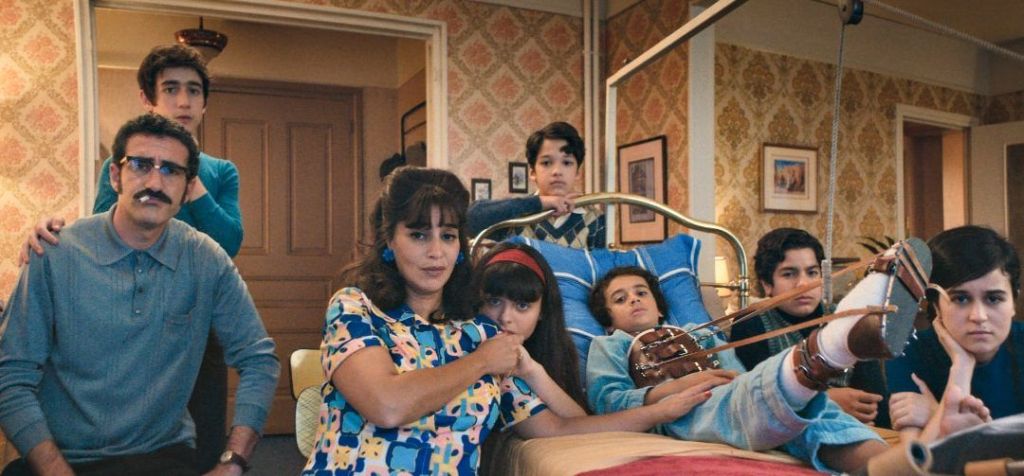
A few short reviews of MSPIFF films:
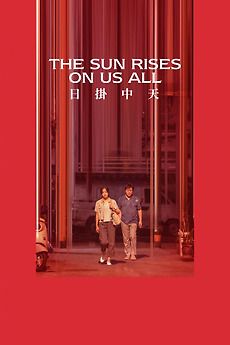
The Sun Rises on Us All (2025)
Seven years ago, Baoshu (Zhang Songwen, Spring Fever) sacrificed his own freedom to protect Meiyun (Xin Zhilei, Blossoms of Shanghai), taking the blame for a crime that she committed. Now, seven years later, her guilt over leaving him forces her to take him in when he has nothing left. This Chinese melodrama has a captivating concept, one that seems rife for exploring the nature of love when a loving act leads to the destruction of a relationship, questioning whether or not reuniting is even possible. Frustratingly, it never quite finds a way to examine these ideas, instead ambling about in a will-they-or-won’t-they that tries to be smarter and more complicated than it is, and I found the ending to be infuriatingly empty of substance. The performances are nice, and there are a few flourishes of deeper intent, but The Sun Rises on Us All can never find its footing. When there are moments of shock in the untangling of this relationship (particularly a moment when Baoshu crosses a line that shouldn’t be crossed), the filmmakers avoid addressing it in any real or impactful way, leading to an unsatisfying resolution. Great promise here, but nothing comes together.
The Sun Rises on Us All: 2/5
-Kyle A. Goethe
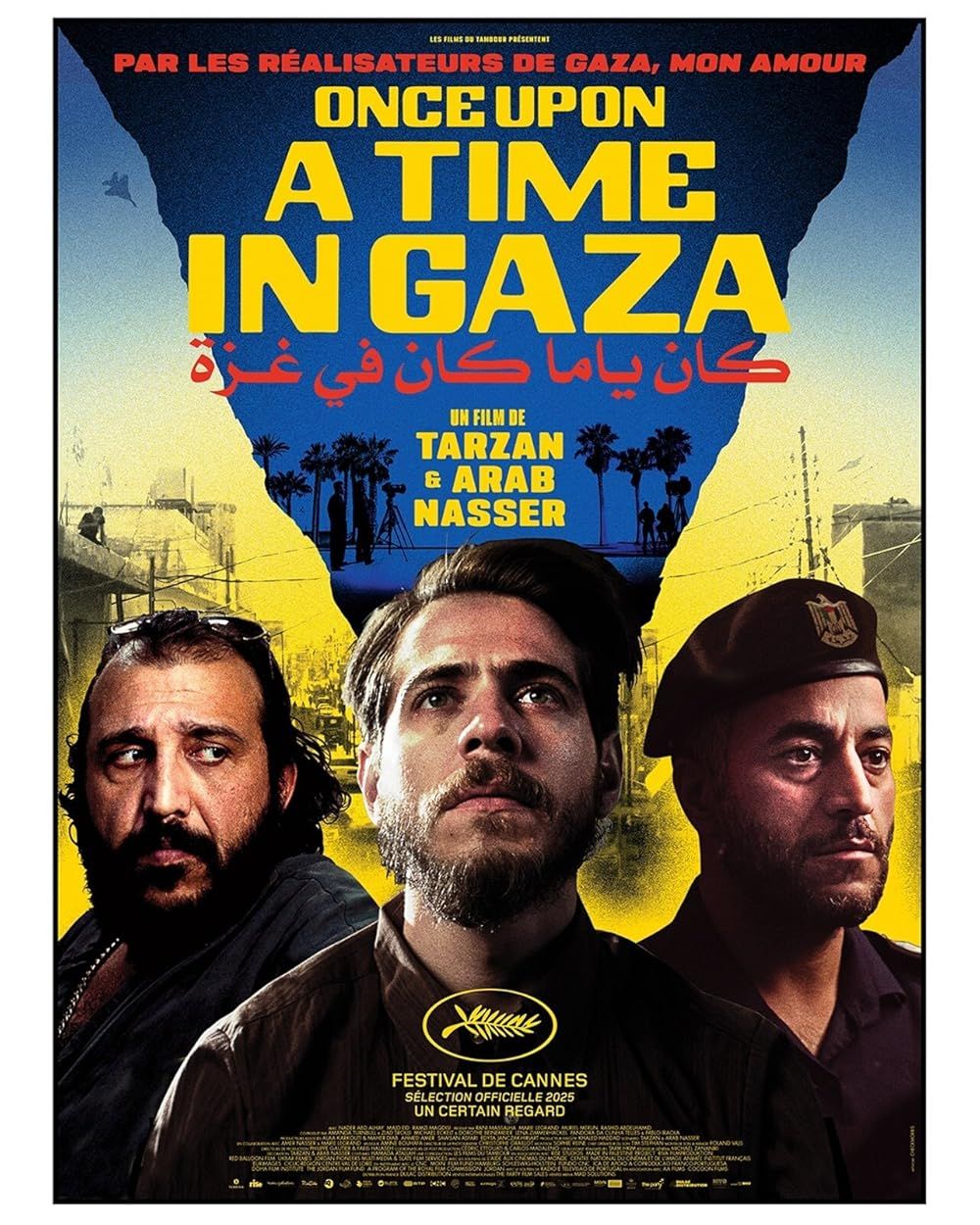
Once Upon a Time in Gaza (2025)
The year is 2007, and Yahya works at a falafel shop for his friend Osama until a horrible crime is committed; years later, Yahya is tasked with starring in a series that brings him to the brink of vengeance. Once Upon a Time in Gaza’s biggest crime is its somewhat conflicted tone, which evolves from a more lighthearted narrative to a grim and bleak one with shocking whiplash, but the two halves of this film are strong enough on their own to make a fascinating character study for Nader Abd Alhay (Farah) as Yahya. The standout performance belongs to Majd Eid (Holy Spider), who plays Yahya’s friend Osama. Eid brings a lot of energy to Osama and makes him a likable and sad character (like me, Osama yearns to get high, eat sammies, and dance to butt slappers). The first half is stronger mostly due to the sequences between Yahya and Osama, who have tremendous chemistry as friends and feel realistic to the world that directors Tarzan & Arab Nasser (Gaza Mon Amour) have constructed, but seeing Yahya inch closer and closer to losing himself in his search to right the wrongs of his past have a strong cathartic thrust to them that makes for a memorable enough drama.
Once Upon a Time in Gaza: 3/5
-Kyle A. Goethe
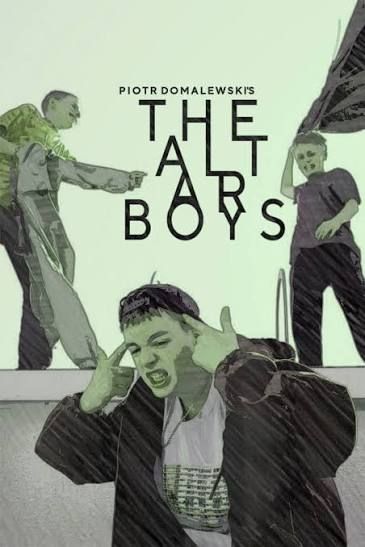
The Altar Boys (2025)
When a group of rambunctious altar boys witness the Church’s lack of support for the struggling members of their congregation, they decide to take matters into their own hands to redirect the Church’s funds toward those who need it most, but they soon find that they are falling deeper and deeper into uncharted and illegal territory. Making the argument that children are inherently good at heart (even ones like these who commit crimes for the right reasons), director Piotr Domalewski (Operation Hyacinth) has delivered a new take on the Robin Hood ideals for the Polish filmmaking landscape, and The Altar Boys makes good use of its uncontrollable and exuberant youths, defining four unique lead characters that make a lot of bad calls for the best of reasons. Their hearts are in the right place, and the movie is frequently quite funny as well, but there is heart to be found within the frames of this little “crime” comedy. It wriggles about in its second act as the boys fall headfirst into vigilantism, but Domalewski finds his footing again by the end, delivering some heart and pain and learning for its central four.
The Altar Boys: 3/5
-Kyle A. Goethe
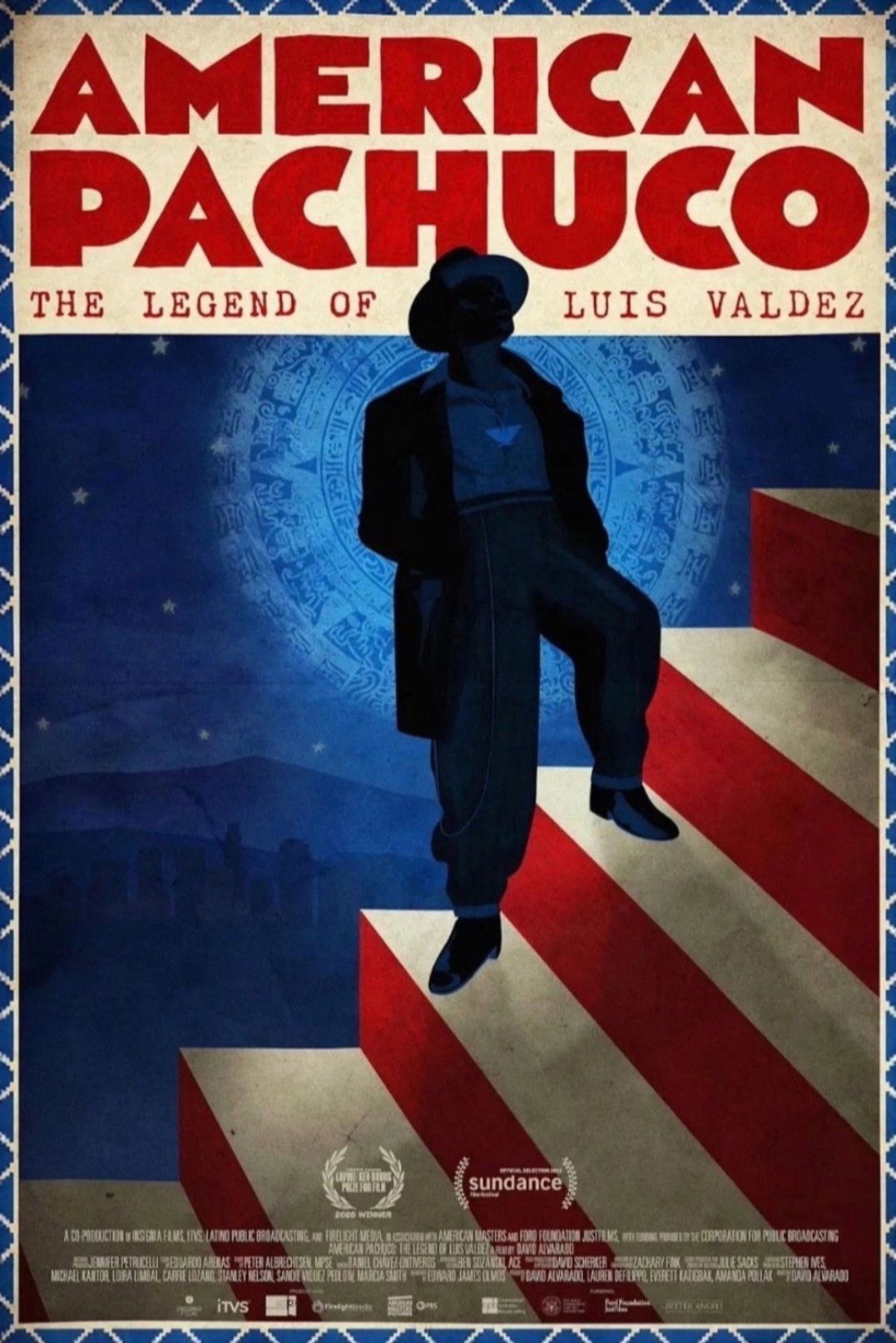
American Pachuco: The Legend of Luis Valdez (2026)
Director David Alvarado teams with Edward James Olmos who narrates this documentary on the life of “social arsonist” and writer/playright Luis Valdez, a man who reframed Chicano storytelling with iconic plays and films all through his life. What I liked most about this look at Valdez’s life was the legendary expression of Olmos as the narrator. Olmos starred as El Pachuco in Zoot Suit, and he delivered the story of lead character Henry Reyna, who embodied Valdez in many ways, so having him almost reprise the role of El Pachuco in order to follow up on the real Luis Valdez, making this film work in tandem with Zoot Suit in an interesting way. It’s a fascinating life worthy of discussion and revelation, and the documentary highlighted quite a bit that I was unaware of going in, and it was fascinating to hear from all the people in Valdez’s orbit throughout his life that had been touched by his presence and care. It made me want to revisit Zoot Suit through new eyes and finally get around to seeing La Bamba, and I’m more than a little interested in finding a script for The Shrunken Head of Pancho Villa. All in all, a traditional life story documentary uplifted by some terrific narration and style.
American Pachuco: The Legend of Luis Valdez: 3.5/5
-Kyle A. Goethe
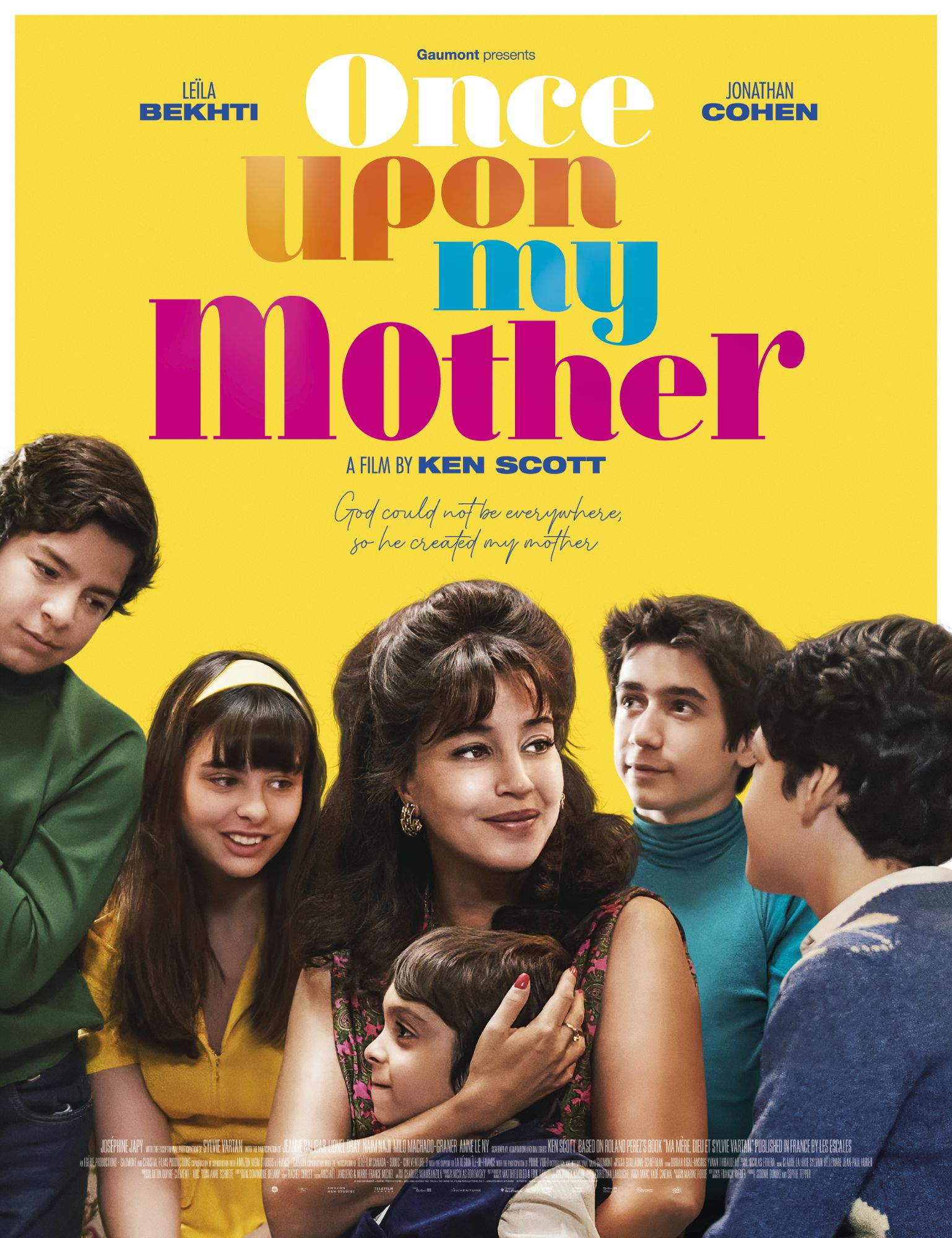
Once Upon My Mother (2025)
When Roland is born with a club foot, his mother Esther drops everything to ensure that her son does not live the life of someone looked down on, going against all guidance to give her son a fabulous life; in the decades that follow, Esther learns that her role as a matriarch is diminishing. I was pretty surprised to come across this feature film, directed by Ken Scott, who has mostly been known as the director of films like Vince Vaughn’s Delivery Man and Unfinished Business. Once Upon My Mother sets the tone early on with an amusing labor scene, and I love that it’s narrated by an adult Roland who, like the film, never passes judgment on his mother and whether or not she was right, only that she believed she was. He merely presents her as she was, with an understand that everything she did was out of love for her child, even when she oversteps to do so. Though quite funny and frequently heartwarming, there’s a painful truth within its frames: mothers raise us and then they’re discarded. It’s no new revelation, but Scott’s strong handling of tone slowly doles this lesson out, allowing the audience to apply their own experiences to it. As stated, “God can’t be everywhere, so he invented mothers.” GO CALL YOUR MOTHER.
Once Upon My Mother: 3.5/5
-Kyle A. Goethe
![[Early Review] Sense and Sensibility (2026)](https://goatfilmreviews.com/wp-content/uploads/2026/10/ss_fp_00124_r.jpg?w=650)
![[31 Days of Horror XIII] Day 14 – The Witches of Eastwick (1987)](https://goatfilmreviews.com/wp-content/uploads/2026/10/woe-1.jpg?w=1024)


Leave a Reply