

Director: Paul Thomas Anderson
Cast: Leonardo DiCaprio, Sean Penn, Benicio del Toro, Regina Hall, Teyana Taylor, Chase Infiniti
Screenplay: Paul Thomas Anderson
161 mins. Rated R for pervasive language, violence, sexual content, and drug use.
Well, count me surprised: One Battle After Another, from director Paul Thomas Anderson, is his best work in decades.
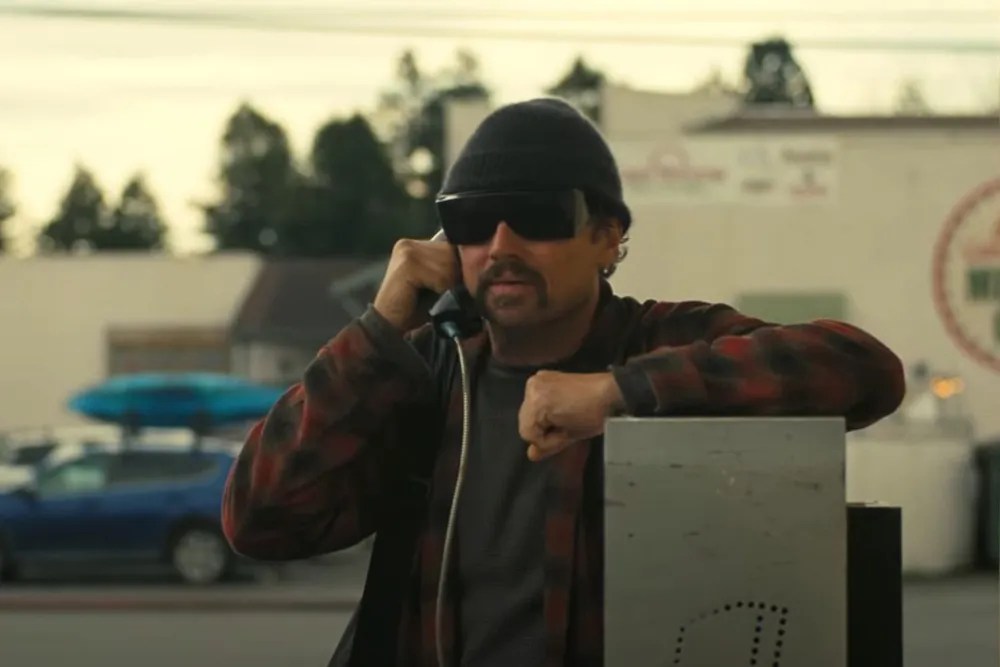
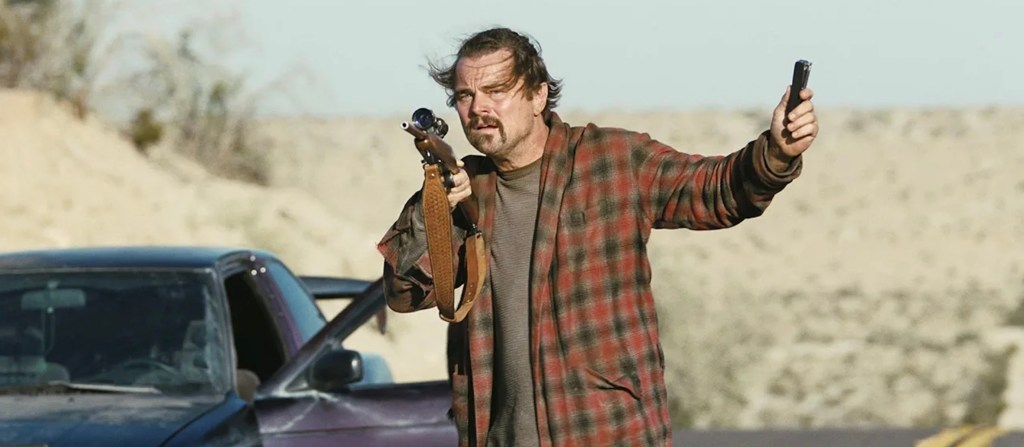
Bob Ferguson (Leonardo DiCaprio, Inception) has a secret. He’s an ex-revolutionary, a former member of the French 75, who was forced to go into hiding with his infant daughter sixteen years ago. Now, he’s a washed-up deadbeat dad trying to protect his now-teenage daughter Willa (Chase Infiniti). When an enemy from his past resurfaces, he and other members or the French 75 must find and protect Willa from Colonel Steven J. Lockjaw (Sean Penn, Licorice Pizza), who has a nefarious and dangerous reason to find her.
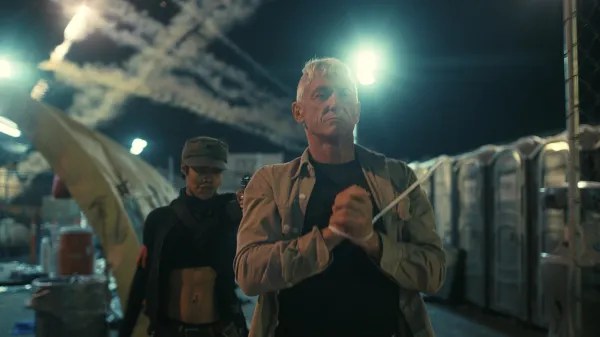
One Battle After Another begins with all the incendiary energy of How to Blow Up a Pipeline from a few years back. Anderson tackles an intense and very lengthy prologue that introduces the French 75, Lockjaw, and showcases the inciting conflict involving the destruction of an immigration holding camp and release of many captive immigrants. This sequence, very similar to the opening of The Dark Knight, is intense and chaotic, and the rest of the prologue has that same feeling, but what I love about One Battle After Another is how that tone shifts heavily once the narrative jumps forward sixteen years to a teenage Willa and a washed-up Bob. From there onward, there’s a heightened and charismatic bit of comedy infused into Bob’s character as he finds himself needing to reclaim the revolutionary identity he has since lost. His scenes with Benicio del Toro (Avengers: Infinity War), who plays Willa’s mentor, Sensei Sergio, strike a funny note amidst the very serious actions of the plot. DiCaprio is at his best when he’s playing a bit of a fool, a pathetic mess, as he’s done so here and in films like Once Upon a Time in Hollywood. There are also a few scenes involving a secret society that Lockjaw wants to join that are perfectly captured, disturbing, and yet a little zany at the same time.
That’s not to say that the film loses all seriousness when the real story kicks into gear. Anderson is, as always, masterful at blending tones, and he’s dealing with incredibly deep and timely themes, and he discusses immigration, government overreach, and the targeting of political opponents very seriously, but he understands that the deep moments hit better here when interlaced with a little comic relief.
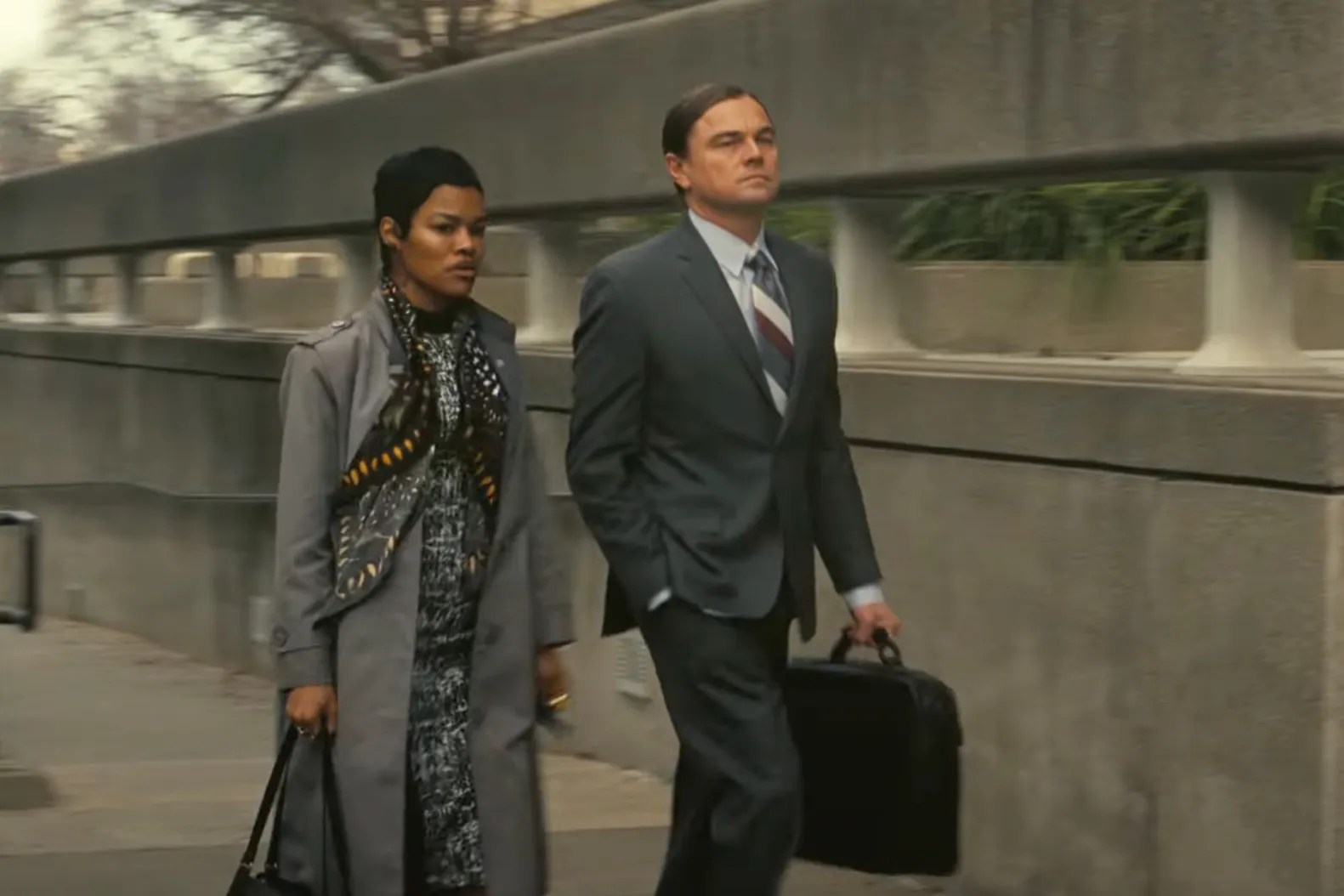
To no surprise, PTA’s film has incredible shot composition. He’s working with Director of Photography Michael Bauman, reteaming from Licorice Pizza, and the way they capture and juxtapose the photography in the film, giving us calculated and static shots for the perceived “order” of Lockjaw’s world and moving uneven camera work for Bob’s disheveled search for the man he once was.
This isn’t the first adaptation of Thomas Pynchon’s work to come from Paul Thomas Anderson, but unlike Inherent Vice, I think being a little less precious with the material makes for a far more effective piece complete with PTA’s artistic stamp. One Battle After Another is inspired by Pynchon’s novel “Vineland,” but this around, Anderson takes a step away from the material and involves more of himself in the screenplay, and this finished product has the director’s voice all over it.
One Battle After Another is Paul Thomas Anderson’s best film since Magnolia. It’s intense, funny, thrilling, and extremely timely, probably moreso than when he originally conceived of adapting the material in the first place. It has another strong DiCaprio performance, but del Toro, Penn, and especially Chase Infiniti are also standouts. Anderson’s story about the dangerous nature of complicity hits all the right notes while still being endlessly entertaining. The movie is a firecracker, a pipe bomb of a film, made with care, ready to explode. For this viewer, One Battle After Another has proven to be one of the biggest surprises of an already very strong year.
4.5/5
-Kyle A. Goethe
![[Early Review] Ready or Not 2: Here I Come (2026)](https://goatfilmreviews.com/wp-content/uploads/2026/03/ready-or-not-2357191300360952847.jpg?w=686)
![[Early Review] Reminders of Him (2026)](https://goatfilmreviews.com/wp-content/uploads/2026/03/images2827293970021178971959931.jpg?w=446)
![[early review] undertone (2026)](https://goatfilmreviews.com/wp-content/uploads/2026/03/teaser-poster-undertone-scaled2177937702752989738.jpg?w=1024)
![[Early Review] Project Hail Mary (2026)](https://goatfilmreviews.com/wp-content/uploads/2026/03/project-hail-mary-movie5671626905221961855.jpg?w=960)
 goatfilmreviews.com
Leave a comment